> For the complete documentation index, see [llms.txt](https://help.listly.io/llms.txt). Markdown versions of documentation pages are available by appending `.md` to page URLs; this page is available as [Markdown](https://help.listly.io/docs/zh-hans/getting-started/enterprise-solutions/qi-ye-ban-zi-dong-zhua-qu-zi-ye-mian.md).
# 企业版 - 自动抓取子页面
## 什么是自动子页面采集?
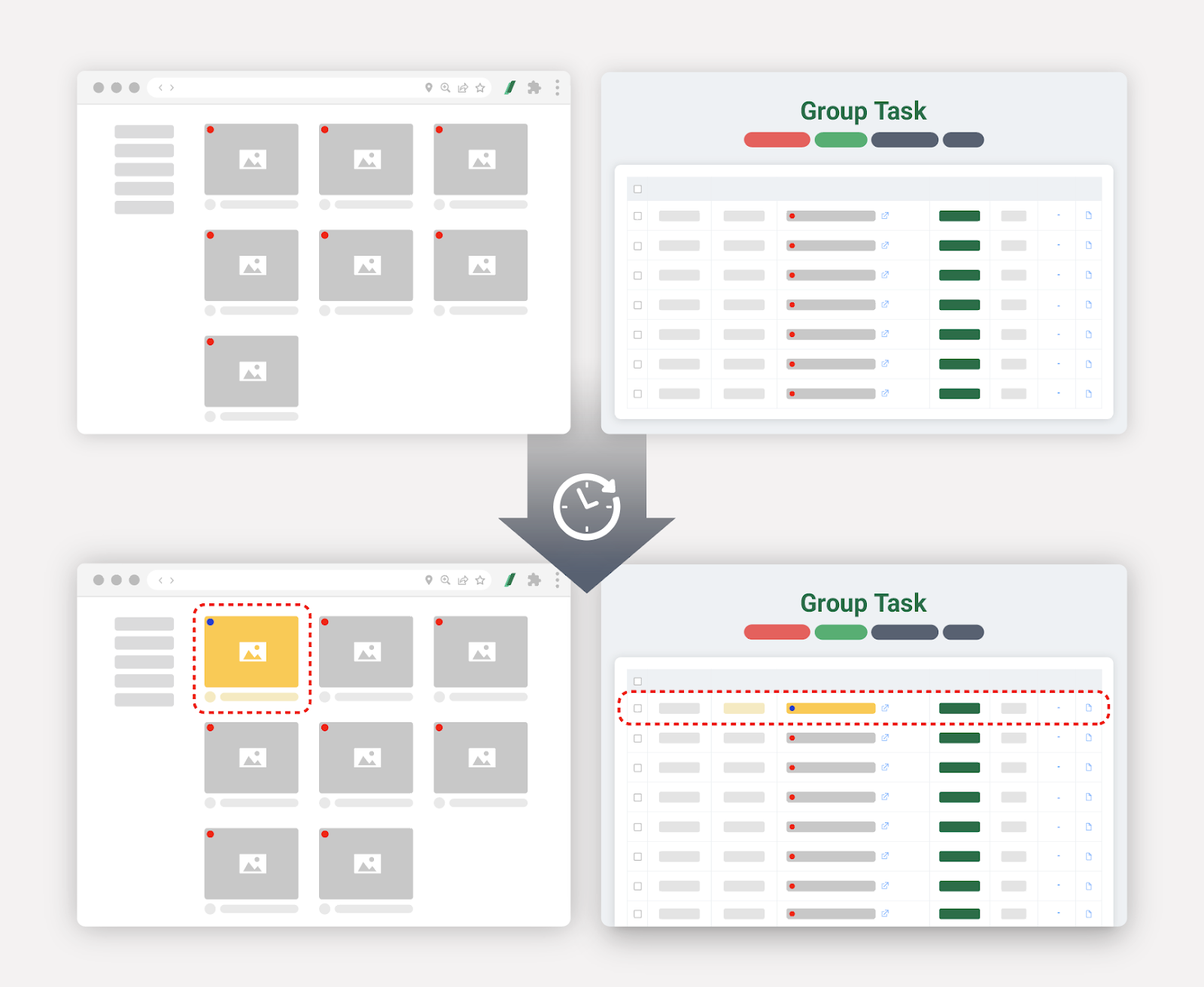
当列表页面出现新的帖子或产品时,子页面 URL 会自动添加到批量中并进行提取。通过自动子页面采集,您无需手动逐个收集或更新地址——您可以**自动检测更新的列表并采集新数据**。
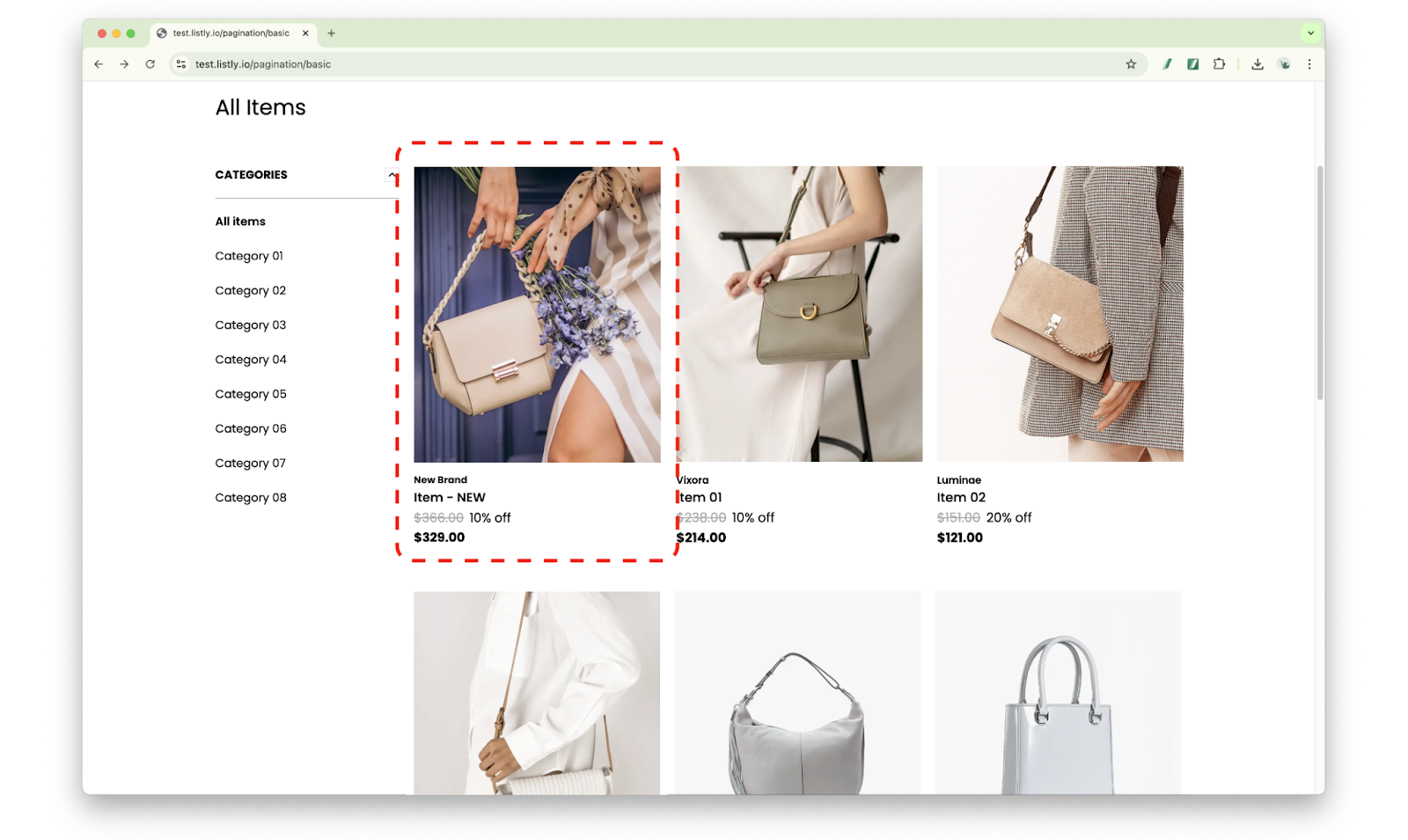
此功能在提取**帖子或产品页面等持续更新的页面**时特别有用。例如,如果您连接一个每天注册新产品的购物网站列表页面,新的产品详情页将被自动采集,**保持最新数据状态**。
{% hint style="success" %}
**什么是子页面?**
子页面是指除网站主页(首页)之外的所有下级页面。
{% endhint %}
***
## 使用方法
{% stepper %}
{% step %}
### 创建父任务
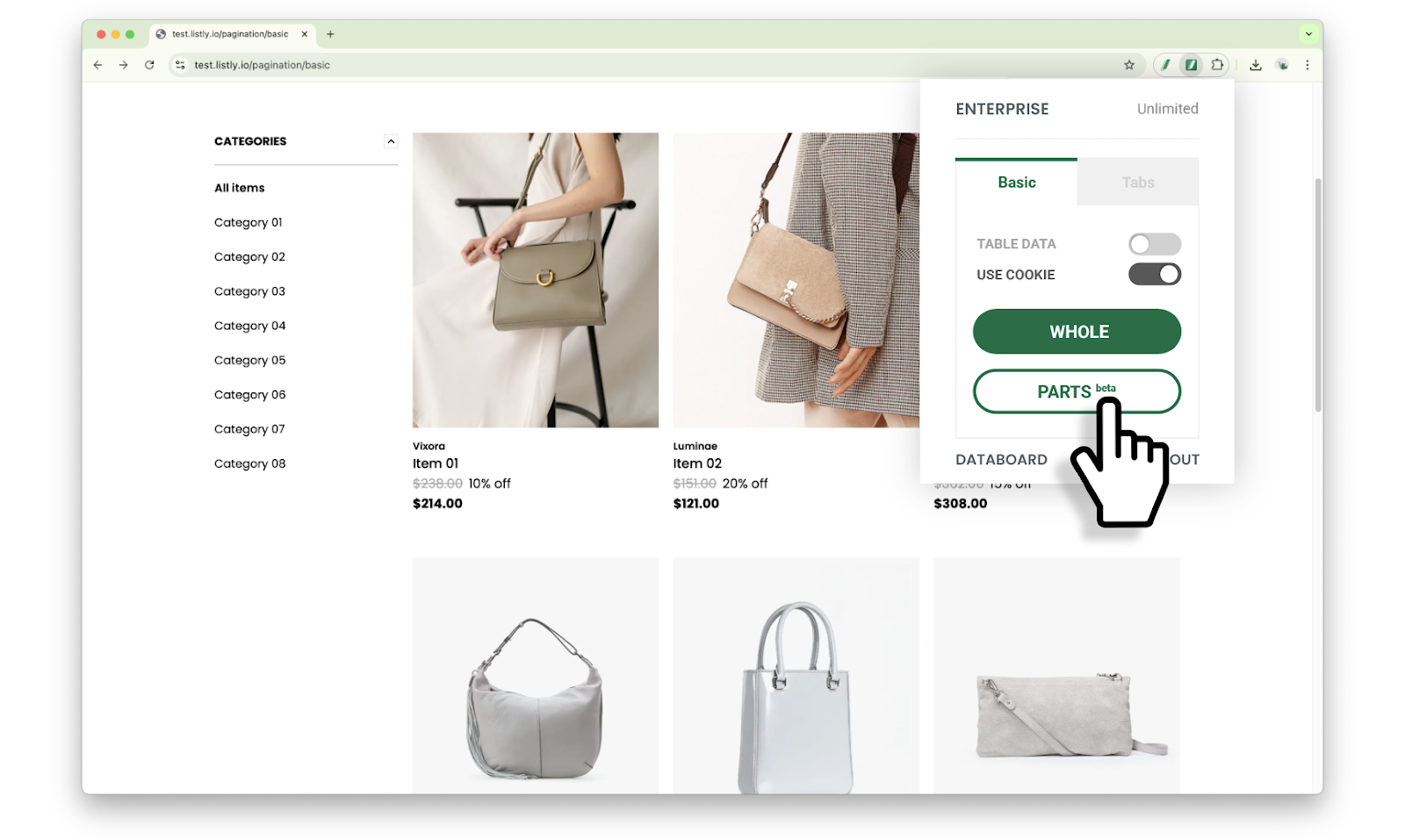
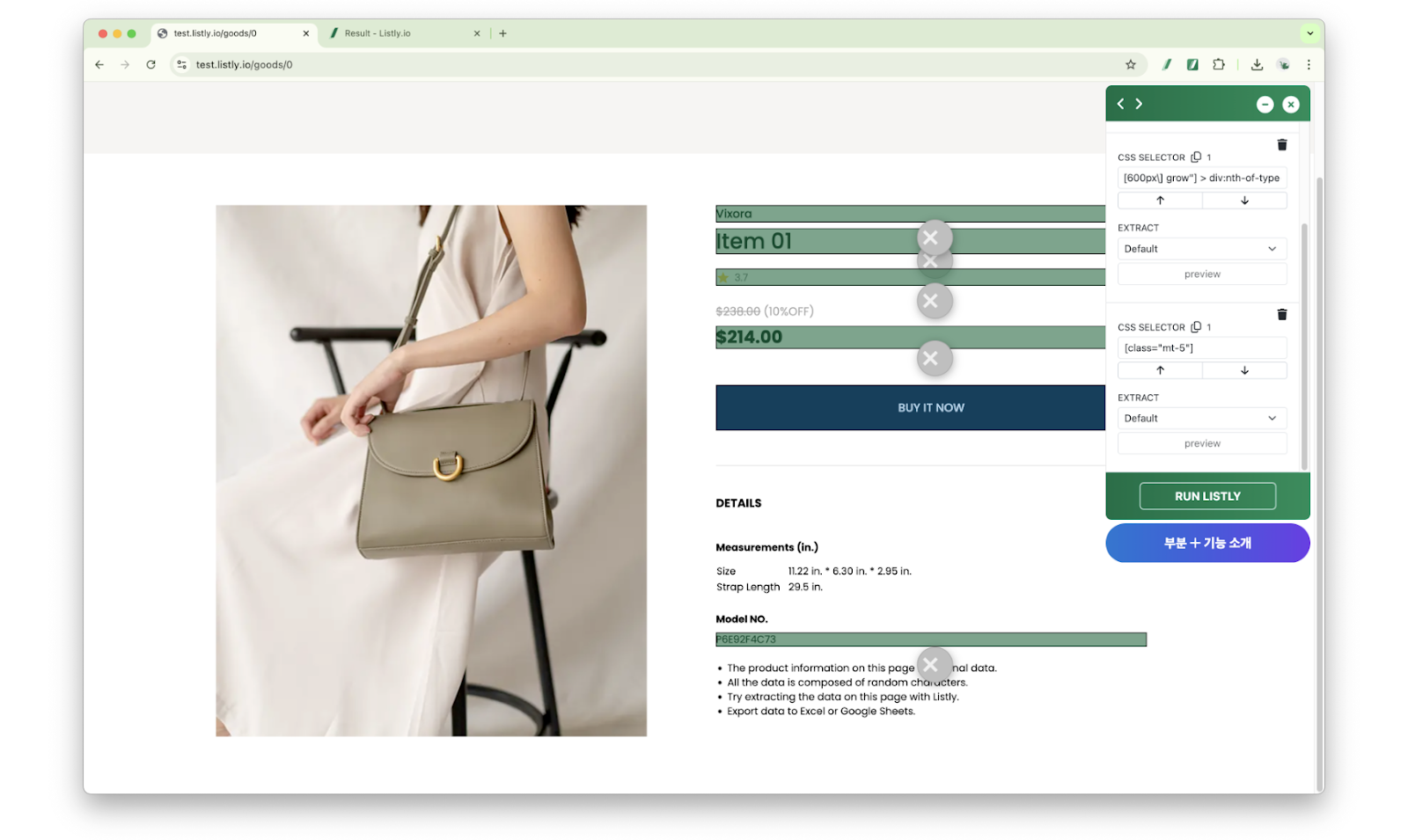
* 在列表页面上运行 Listly 并点击 **\[Parts]** 按钮。
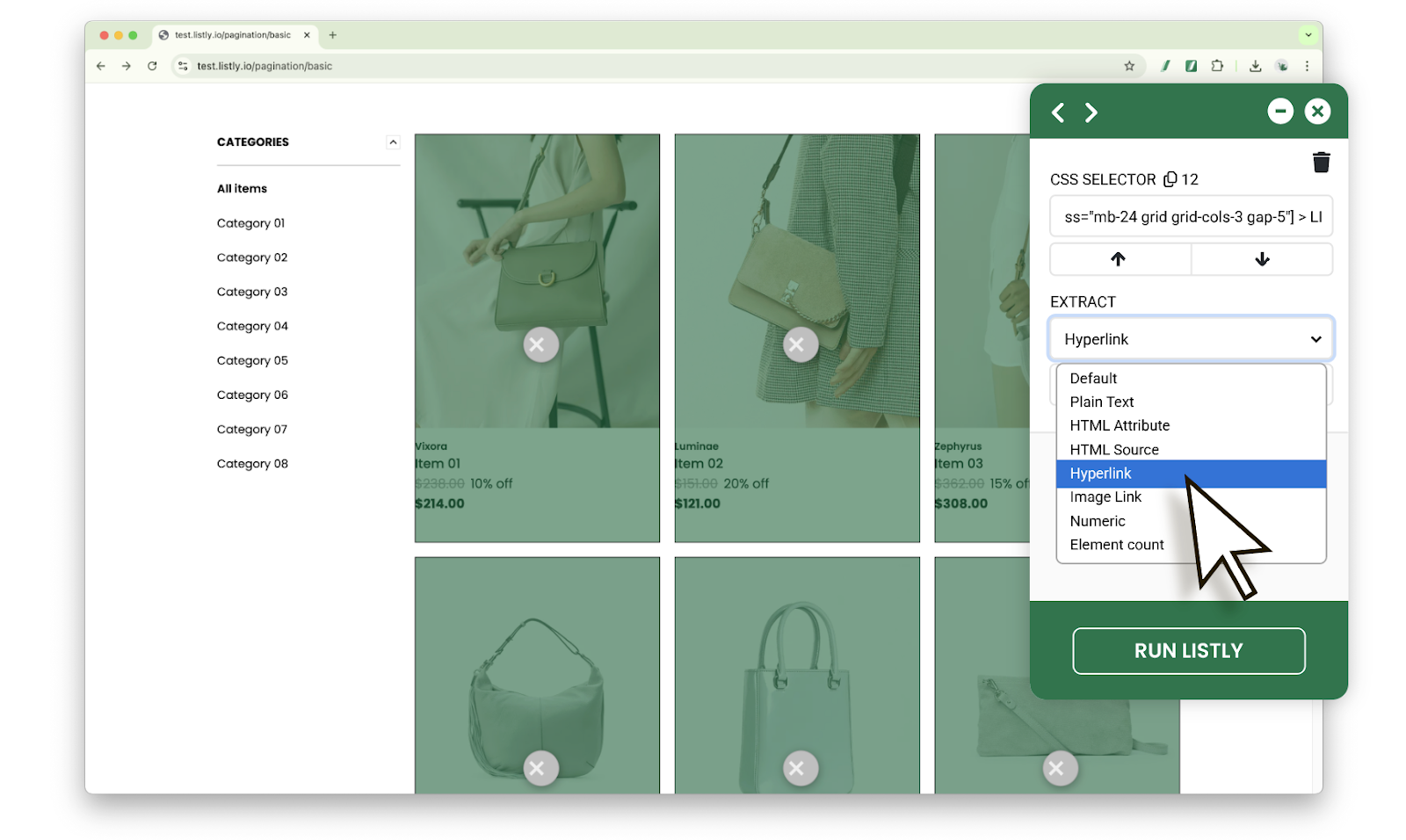
* 选择提取区域后,在提取选项中选择 **'Hyperlink'** 以仅收集每个详情页的链接。
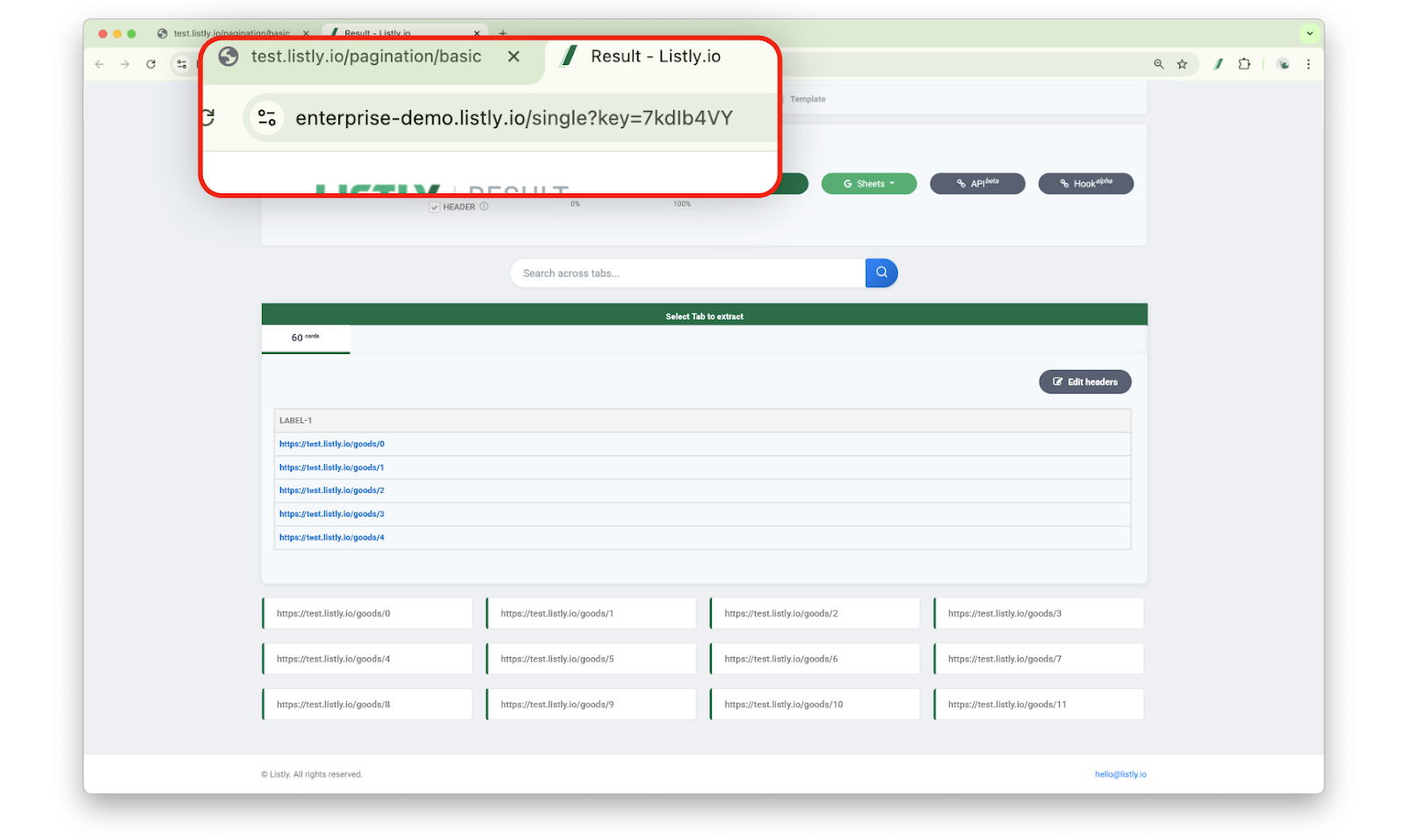
* **这个仅收集详情页超链接的任务就是"自动子页面采集"所需的父任务。** 此任务的 URL 稍后在连接子任务时会用到,提前复制会更方便。
{% endstep %}
{% step %}
### 创建子任务并连接到父任务
* 在详情页上,选择将作为批量提取参考的区域并提取数据。\
(此过程与常规[批量提取](https://help.listly.io/docs/zh-hans/~/revisions/ss7aWyhMlNgVJU7b4kz5/getting-started/result-page-features/group-extraction)相同。)
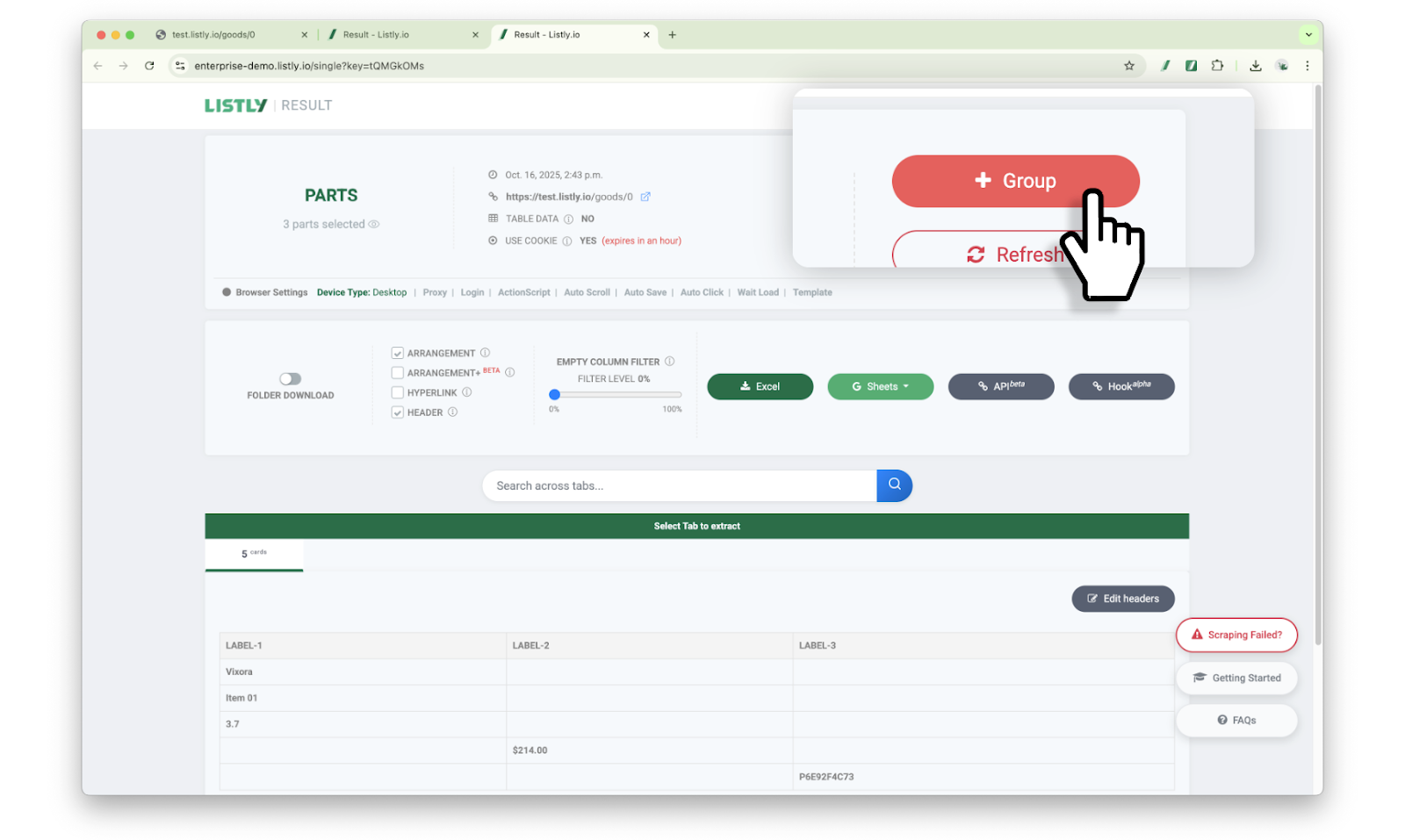
* 在结果页面上,检查所选数据所在的标签页,然后点击 **\[+Group]** 按钮。
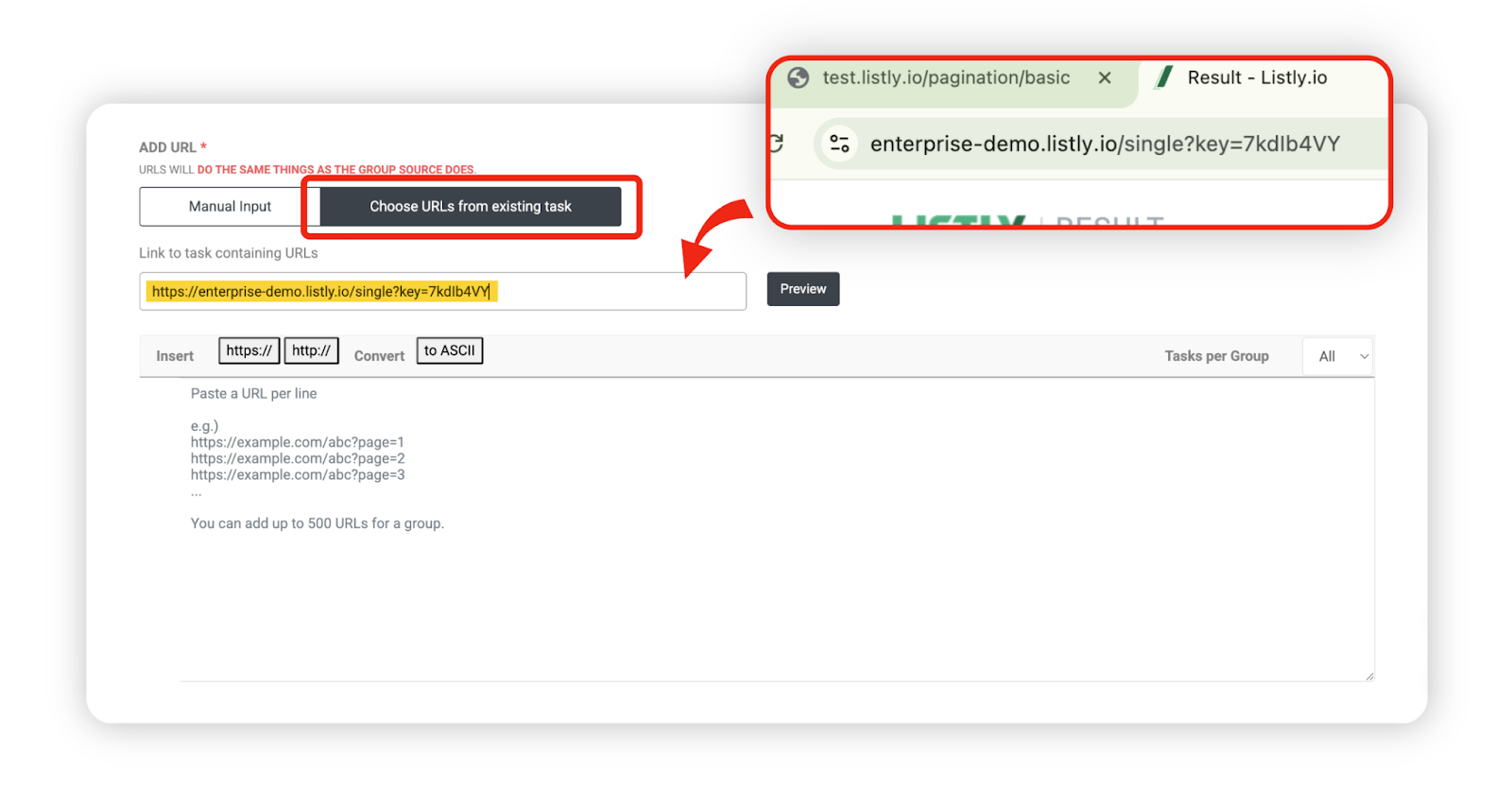
* 在批量提取设置窗口底部的 URL 输入字段中,选择 **\[Choose URL from existing task]** 并粘贴您之前创建的父任务的 URL。
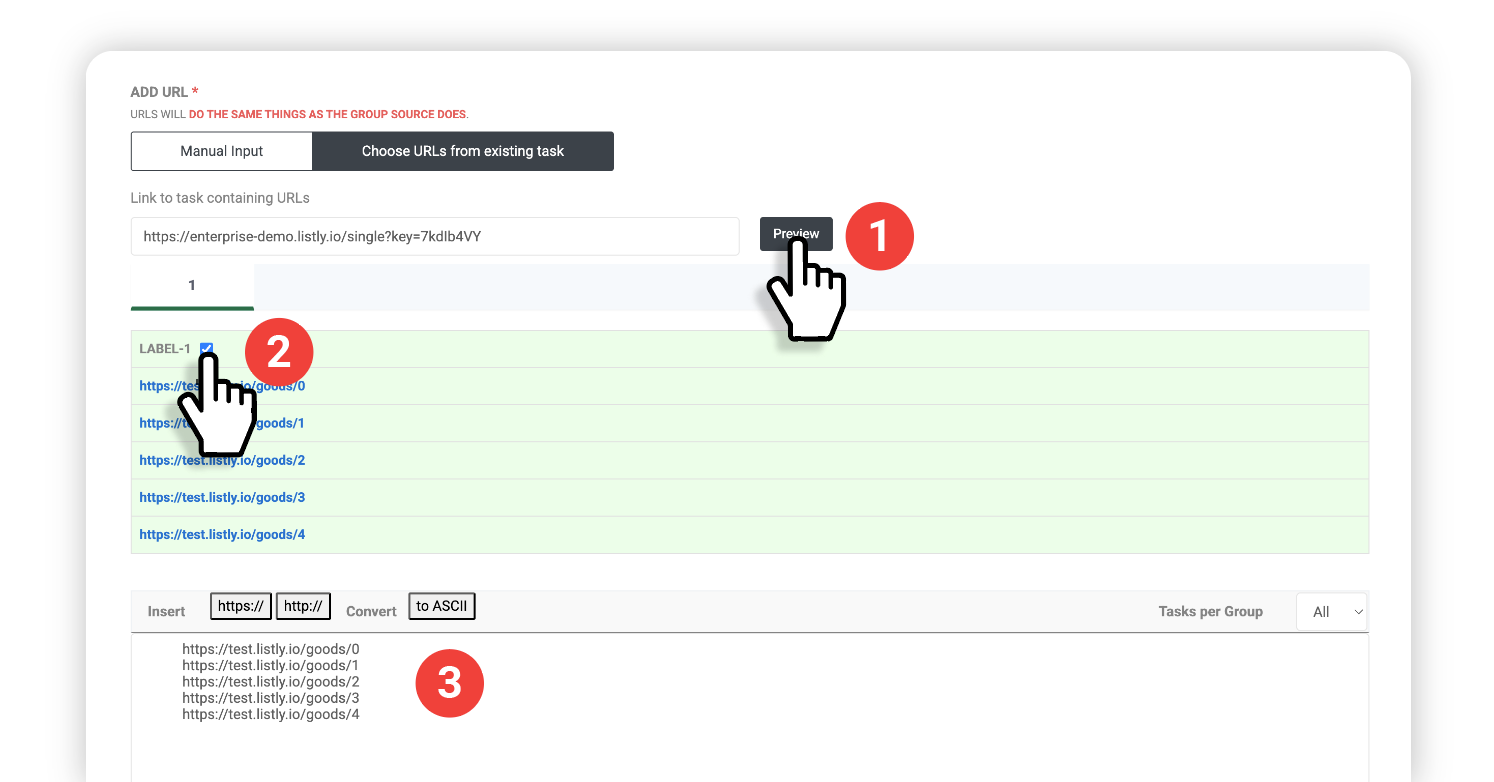
* 点击 **\[Preview]** 按钮并选择包含详情页 URL 的列。如果底部预览窗口中出现 5 个 URL,则表示正常工作。确认后,点击 **\[Done]** 按钮。

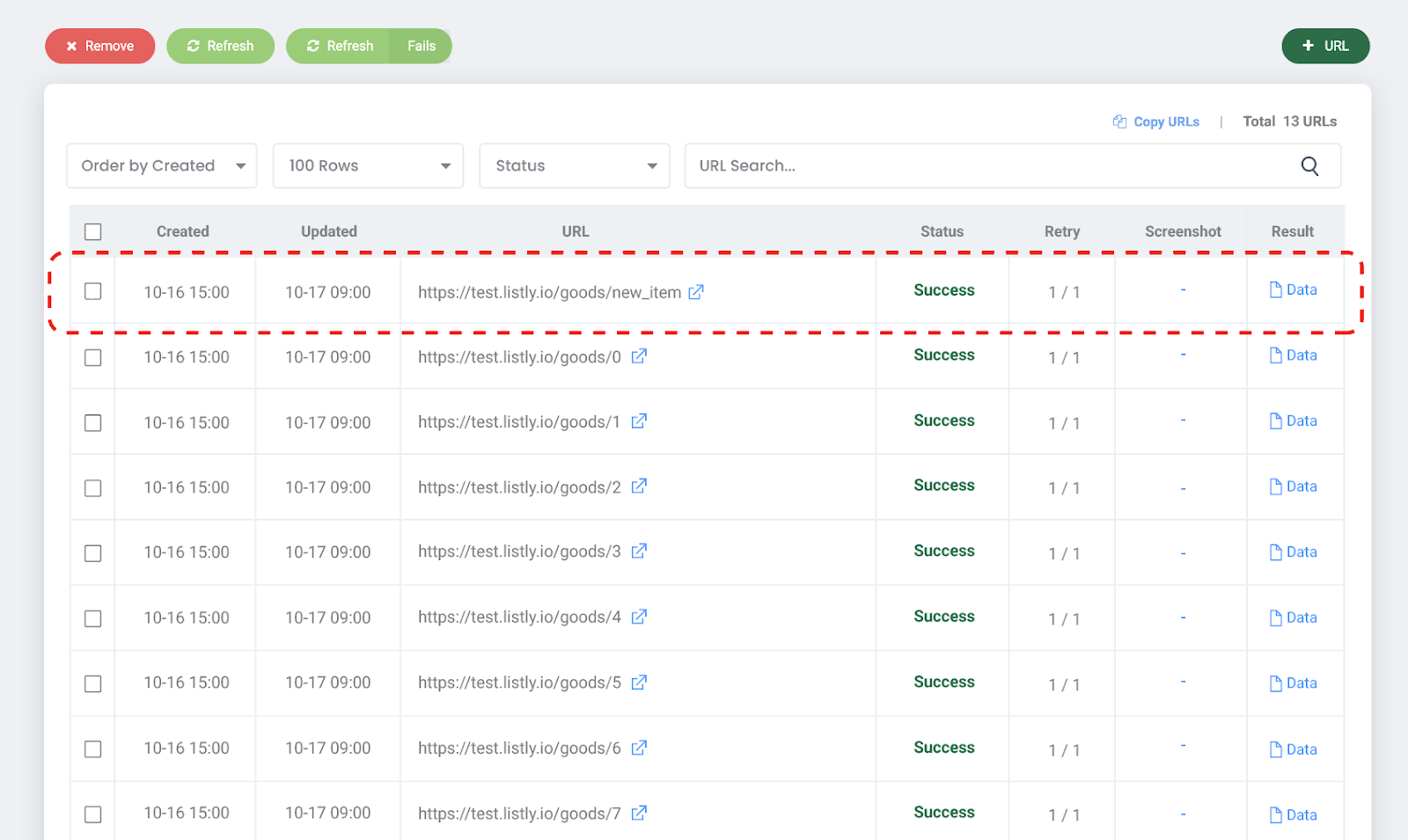
* 当您这样注册批量时,子任务(详情页批量提取任务)会连接到父任务(超链接采集任务)下面。每当父任务发现新链接时,这些 URL 会自动添加到子任务并进行采集。因此,请在**父任务**上设置调度。
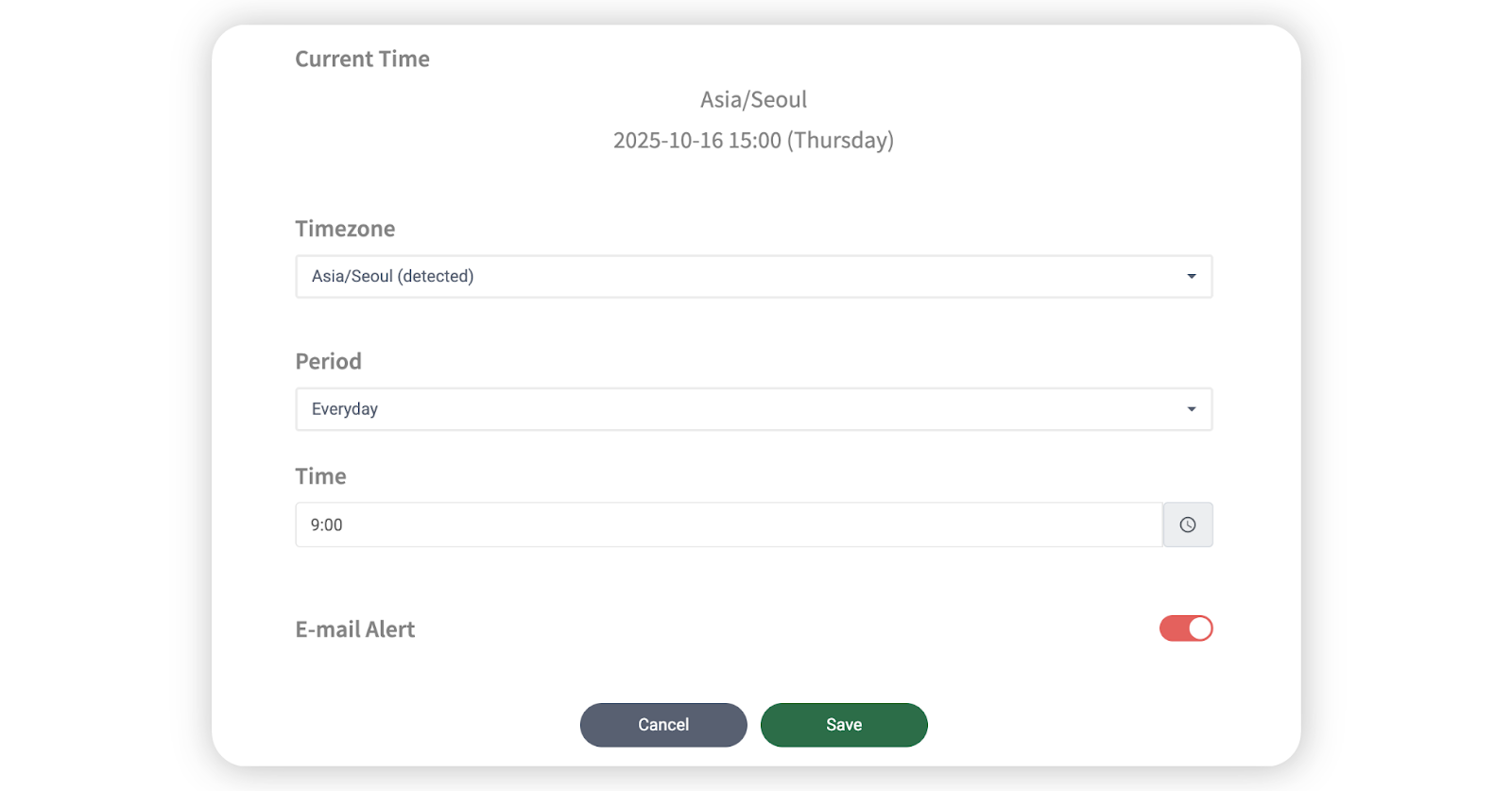
* 根据您期望的频率和时间段设置调度。
* 当父任务按设定的调度运行时,如果列表页面上注册了新项目,这些 URL 将自动更新到子批量中。
{% endstep %}
{% endstepper %}
{% hint style="warning" %}
**重要提示**
自动子页面提取功能不是新帖子检测功能,而是基于**按调度运行的自动提取方法**运行。当父任务按用户注册的调度运行时,如果在列表页面上发现新内容,这些链接会自动添加到子任务并进行采集。
{% endhint %}
---
# Agent Instructions
This documentation is published with GitBook. GitBook is the documentation platform designed so that both humans and AI agents can read, navigate, and reason over technical content effectively. Learn more at gitbook.com.
## Querying This Documentation
If you need additional information that is not directly available in this page, you can query the documentation dynamically by asking a question.
Perform an HTTP GET request on the current page URL with the `ask` query parameter, and the optional `goal` query parameter:
```
GET https://help.listly.io/docs/zh-hans/getting-started/enterprise-solutions/qi-ye-ban-zi-dong-zhua-qu-zi-ye-mian.md?ask=&goal=
```
`ask` is the immediate question: it should be specific, self-contained, and written in natural language.
`goal` is optional and describes the broader end goal you are ultimately trying to accomplish on behalf of the user. GitBook uses it to tailor the answer towards what is most useful for that goal.
The response will contain a direct answer to the question and relevant excerpts and sources from the documentation.
Use this mechanism when the answer is not explicitly present in the current page, you need clarification or additional context, or you want to retrieve related documentation sections.