> For the complete documentation index, see [llms.txt](https://help.listly.io/llms.txt). Markdown versions of documentation pages are available by appending `.md` to page URLs; this page is available as [Markdown](https://help.listly.io/getting-started/databoard-features/settings-proxy.md).
# Settings - Proxy
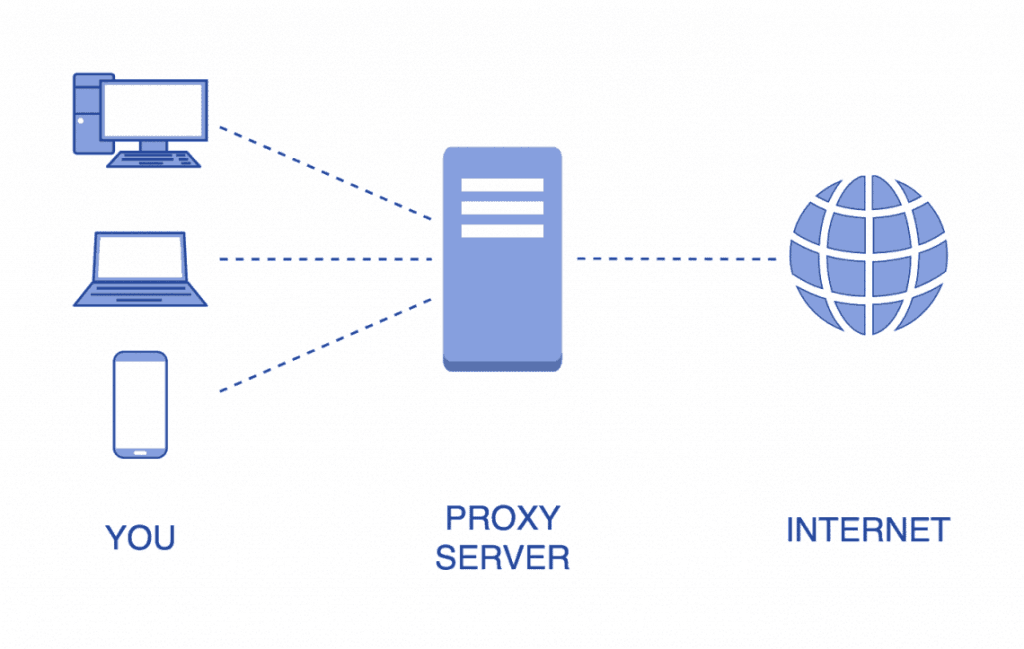
## What is a Proxy Server?
A server that users pass through when accessing a website. Proxy servers are typically configured to hide the visitor's IP address.
### Why hide IP addresses?
Because the site you're trying to access can impose various restrictions based on IP address. Here are common situations:
* Sites that restrict access to specific countries only
* Sites that limit the number of accesses within a certain time period
* Sites that block specific IP addresses with bad records
### When do you use a proxy server?
When extracting data from websites that are difficult to access domestically, setting the proxy country to a different country makes it easy to get the desired results from previously inaccessible web pages.
{% hint style="success" %}
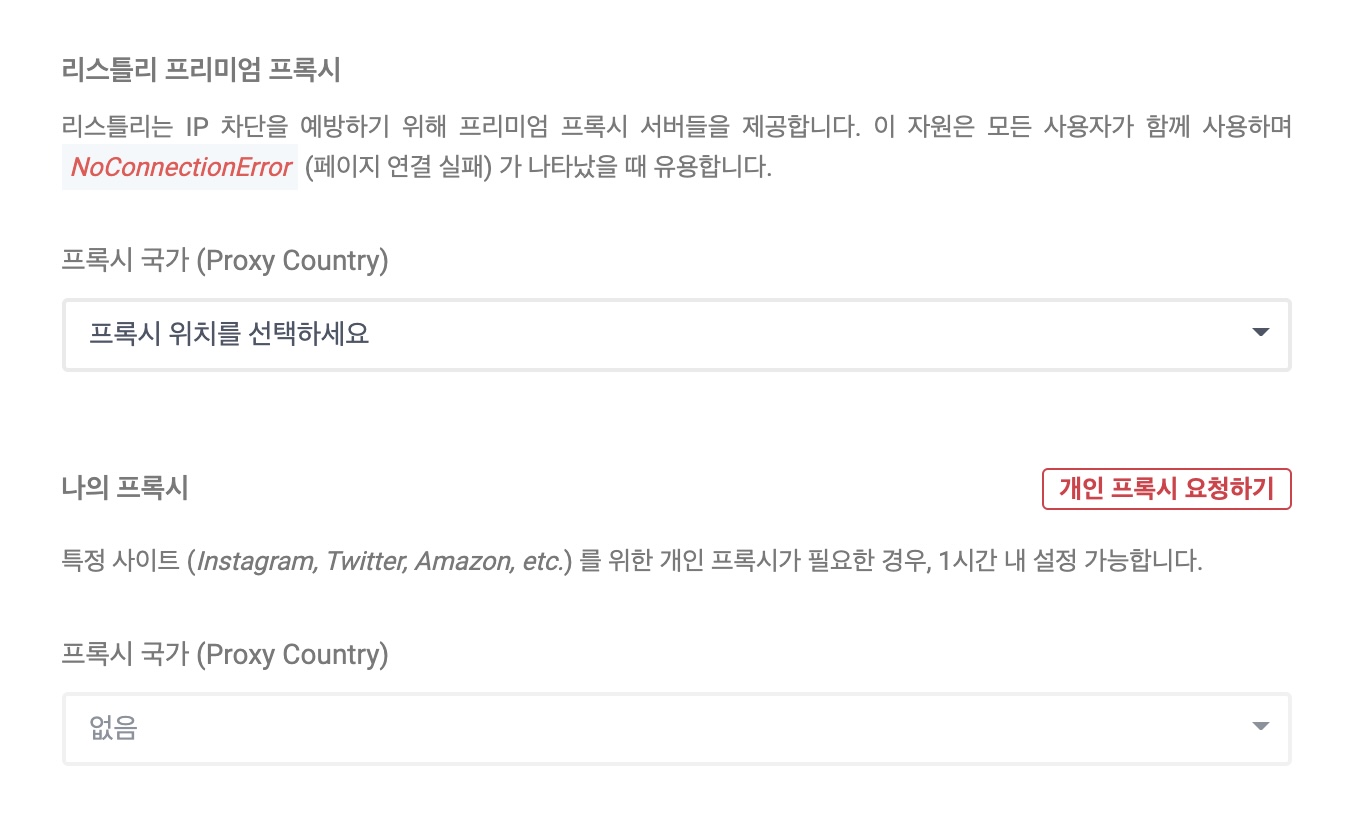
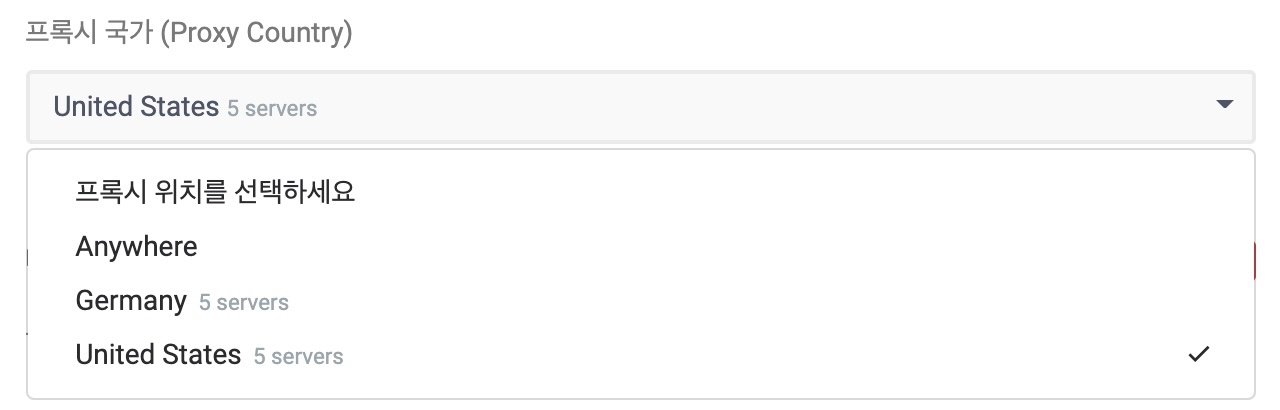
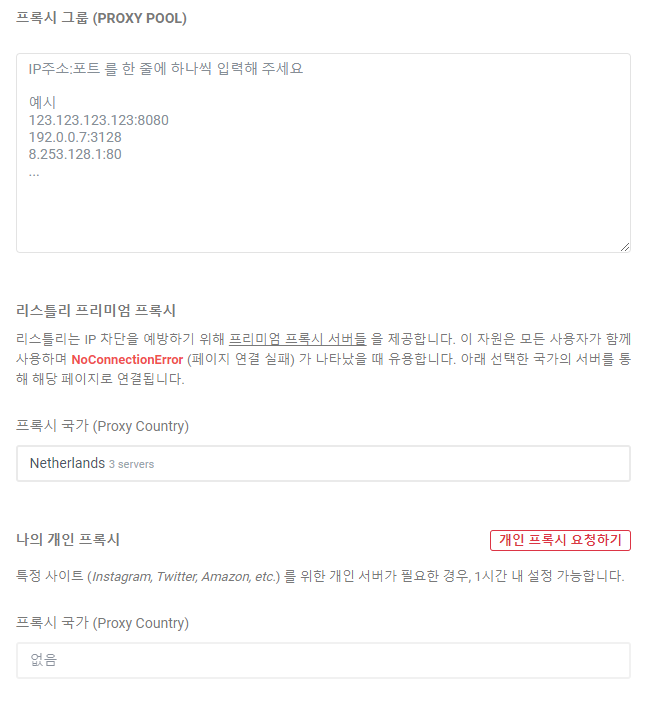
Listly premium proxies are proxy servers purchased through ethically operated overseas proxy services. They're shared servers used by all users, currently providing servers from multiple countries including the US/Germany/Netherlands, and countries may change.
{% endhint %}
***
## How to Use
### Example — US site inaccessible from Korea
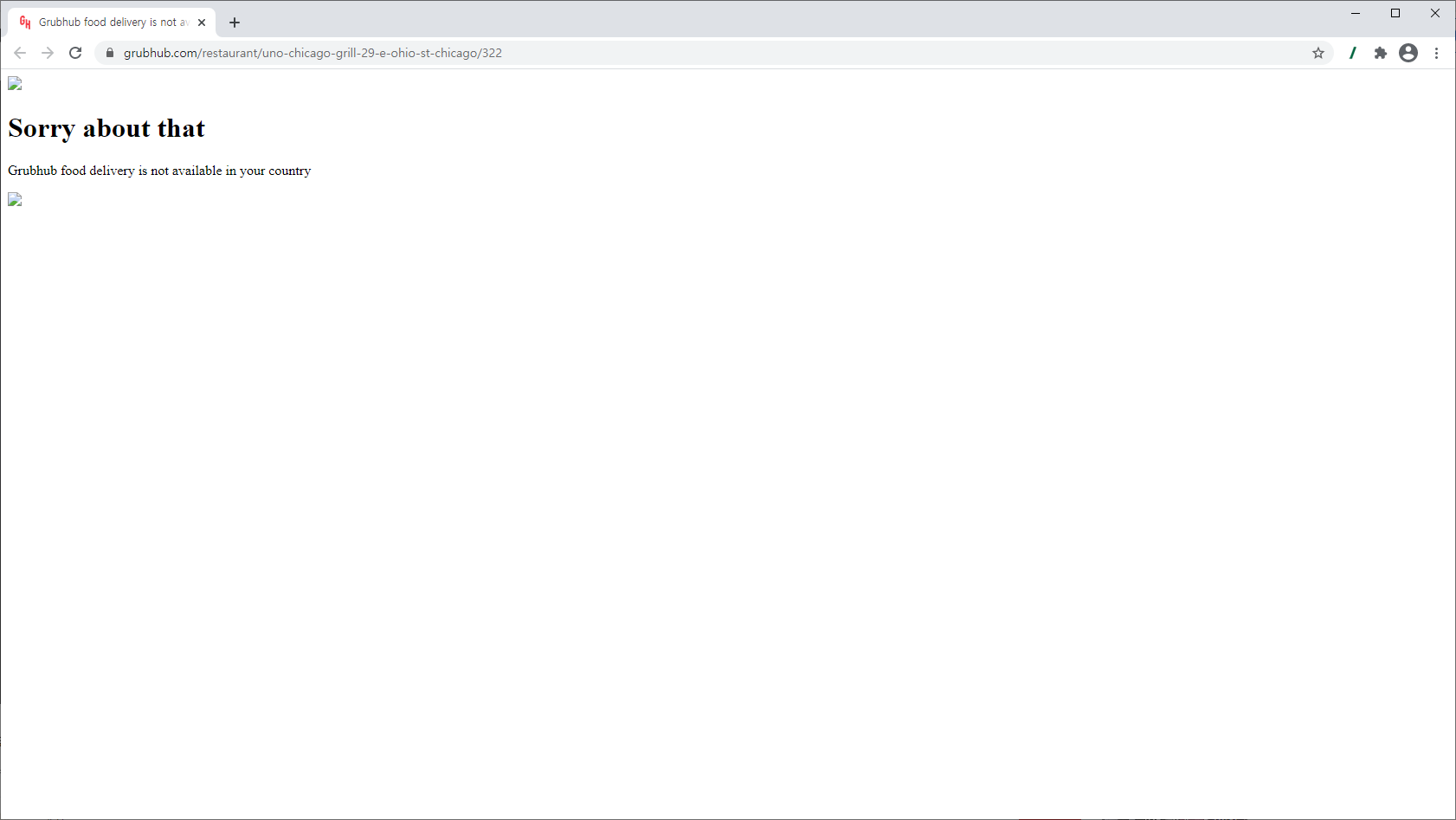
The URL below is a US online food delivery site that's inaccessible from Korea, but you can access and extract data from it by configuring a proxy server.
{% hint style="info" %}
**Super simple guide**
➡️ Extract data ➡️ Go to DATABOARD ➡️ Click settings icon ➡️ Change proxy country ➡️ Save ➡️ Re-extract
{% endhint %}
{% stepper %}
{% step %}
### Access the example page and click the WHOLE extraction button
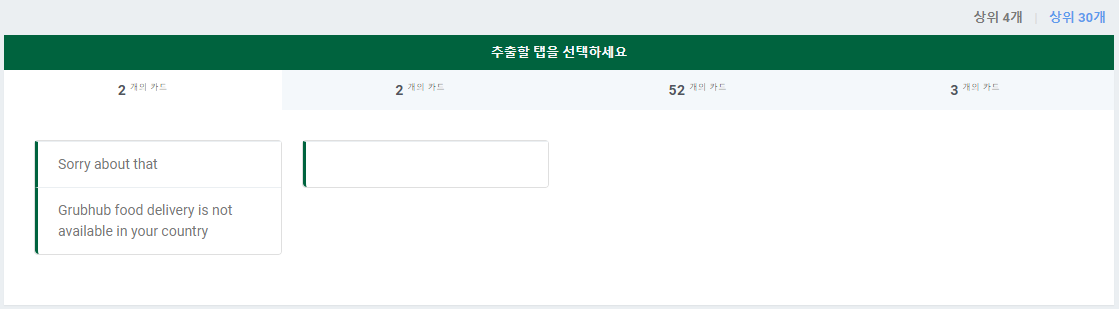
US site inaccessible from Korea (example):\
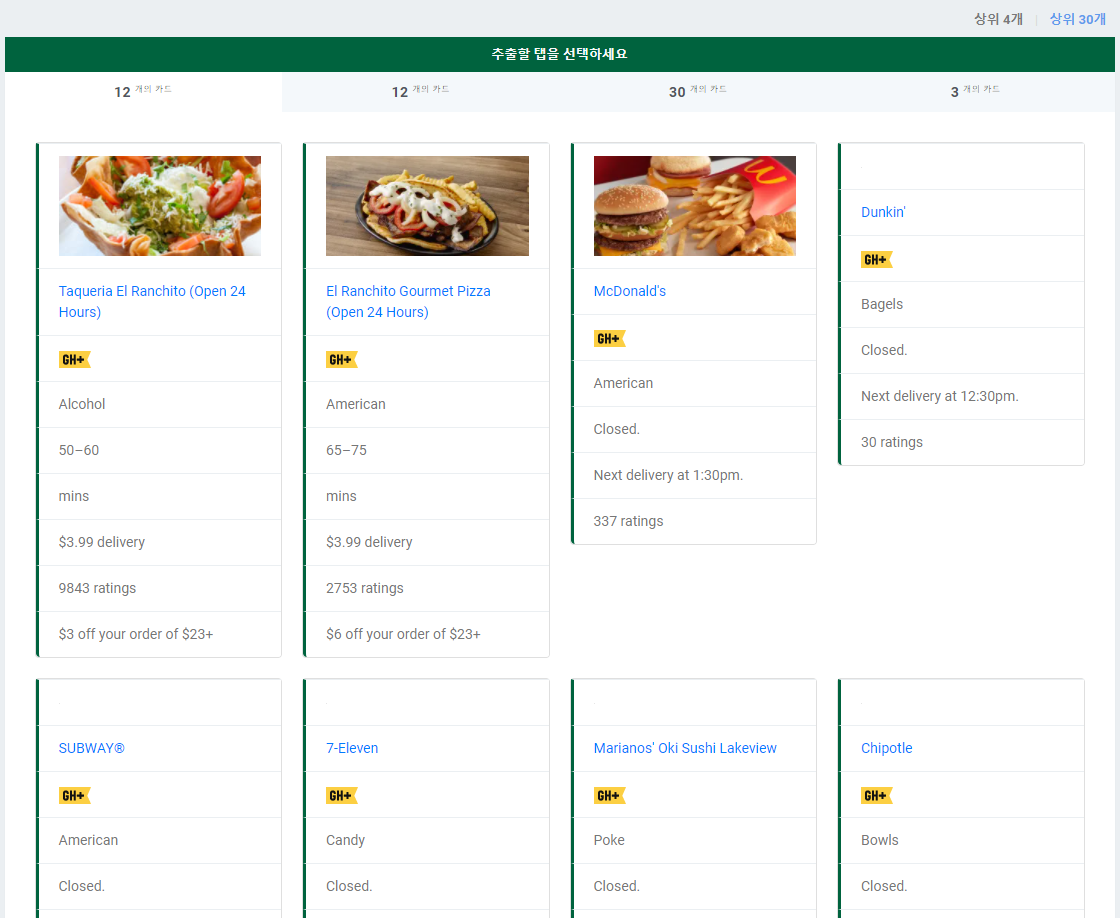
When you extract a page accessed from Korea, only the failed access page content gets extracted.
{% endstep %}
{% step %}
### DATABOARD → Click settings icon → Change Listly premium proxy country to another country
{% endstep %}
{% step %}
### Click the re-extract icon in Databoard to re-extract data
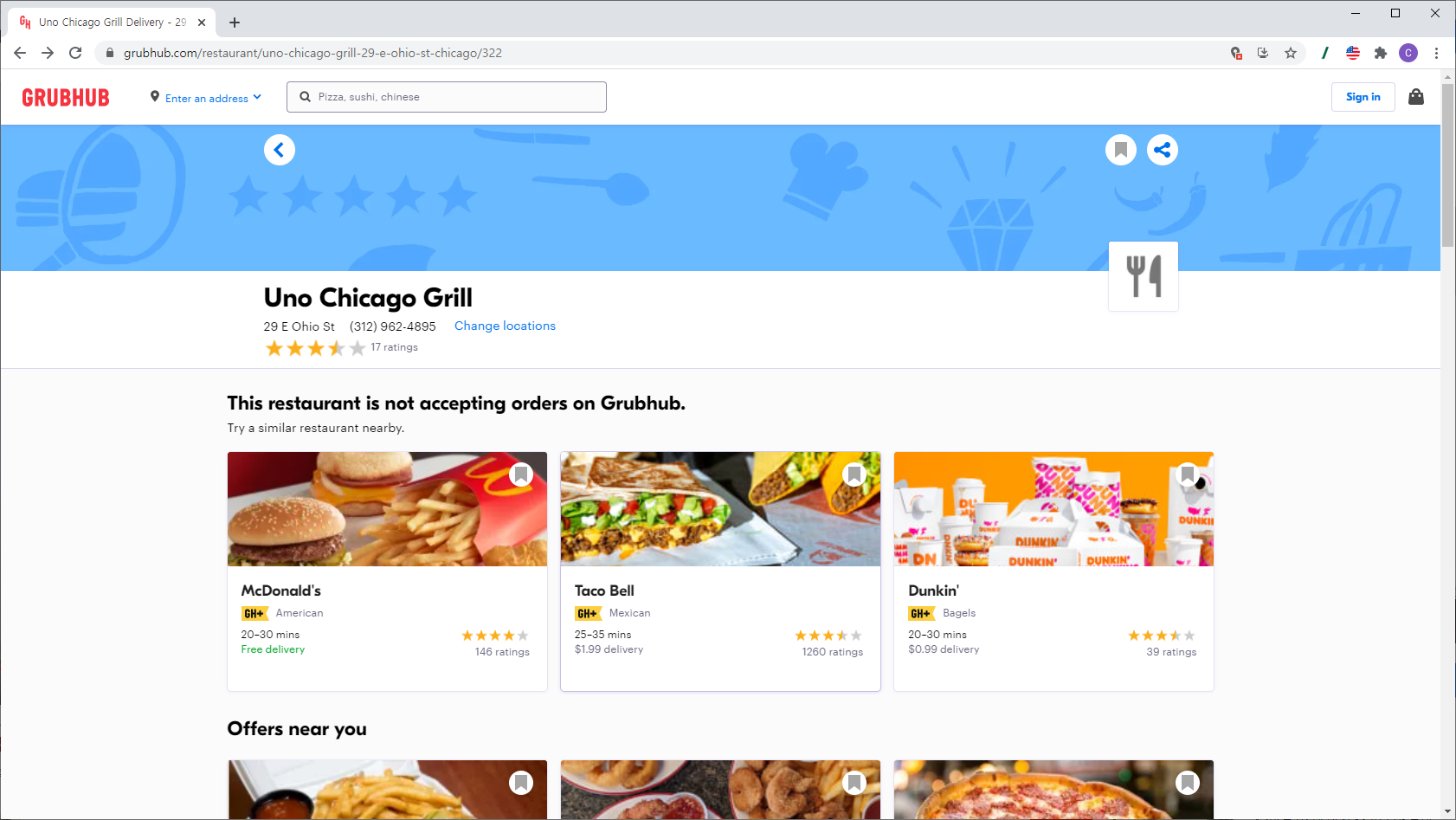
For those curious about what the original page looks like, here it is. When accessed using a free VPN (US), it shows restaurant menus and recommended nearby menus as shown below.
{% endstep %}
{% endstepper %}
***
### Other proxy configuration methods
* My Proxy\
Upon request to the LISTLY team, we can purchase a private proxy server for your exclusive use (not shared) and configure it like Listly premium proxy. Proxy server country, quantity, etc. can be discussed and determined, with costs billed separately.
---
# Agent Instructions
This documentation is published with GitBook. GitBook is the documentation platform designed so that both humans and AI agents can read, navigate, and reason over technical content effectively. Learn more at gitbook.com.
## Querying This Documentation
If you need additional information that is not directly available in this page, you can query the documentation dynamically by asking a question.
Perform an HTTP GET request on the current page URL with the `ask` query parameter, and the optional `goal` query parameter:
```
GET https://help.listly.io/getting-started/databoard-features/settings-proxy.md?ask=&goal=
```
`ask` is the immediate question: it should be specific, self-contained, and written in natural language.
`goal` is optional and describes the broader end goal you are ultimately trying to accomplish on behalf of the user. GitBook uses it to tailor the answer towards what is most useful for that goal.
The response will contain a direct answer to the question and relevant excerpts and sources from the documentation.
Use this mechanism when the answer is not explicitly present in the current page, you need clarification or additional context, or you want to retrieve related documentation sections.